
There are places where people are easy to forget.
Prisons can be one of them.
Behind the walls are men and women who have made mistakes, people serving sentences, people separated from their families, and people facing days that can feel long, uncertain, and lonely.
But when Jason and I visit prisons in Uganda, we do not go there to define people by the worst moment of their lives.
We go because we believe every human being still has dignity.
Every person can still be encouraged.
Every person can still be shown compassion.
And every person can still encounter hope.
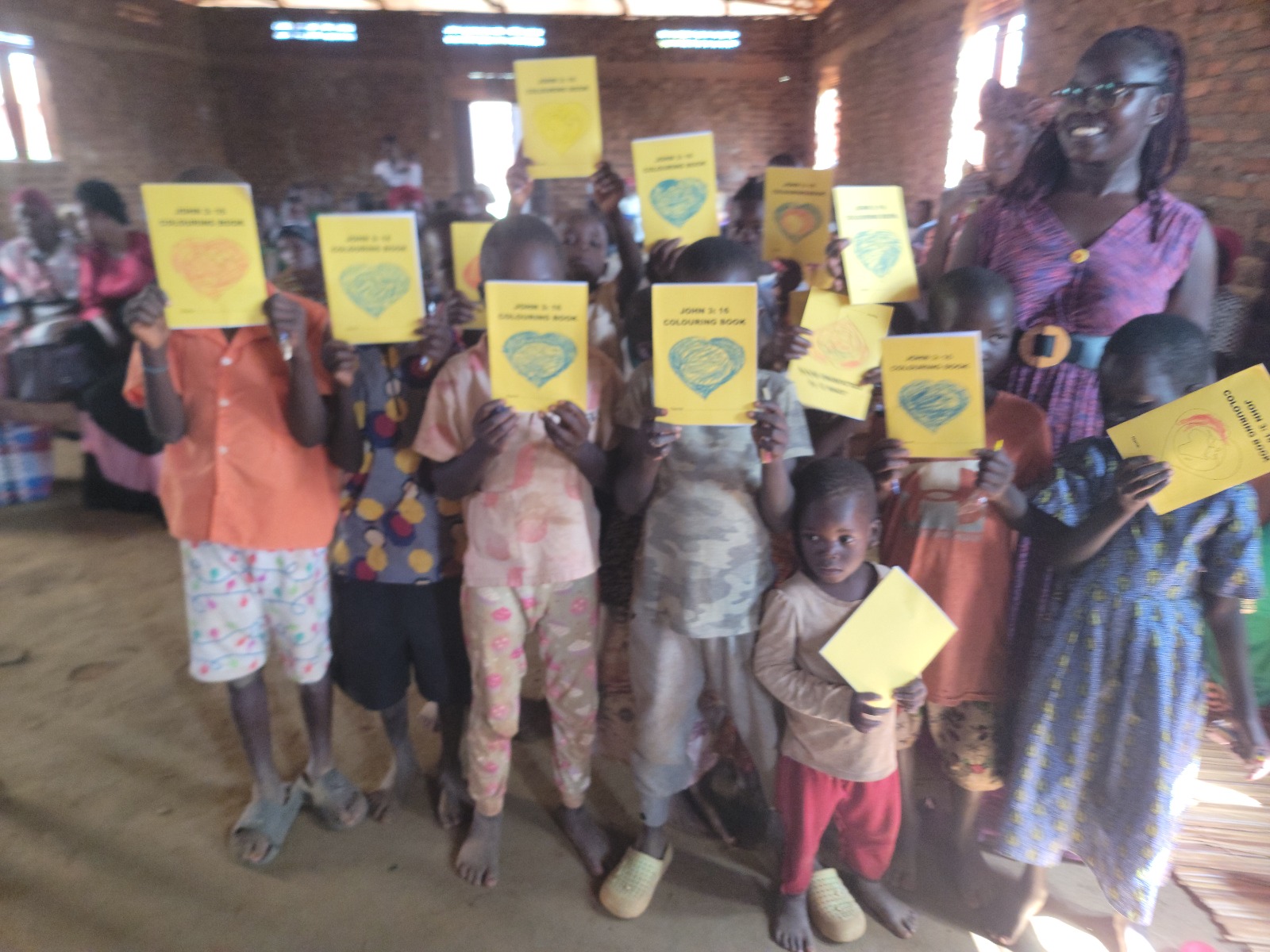
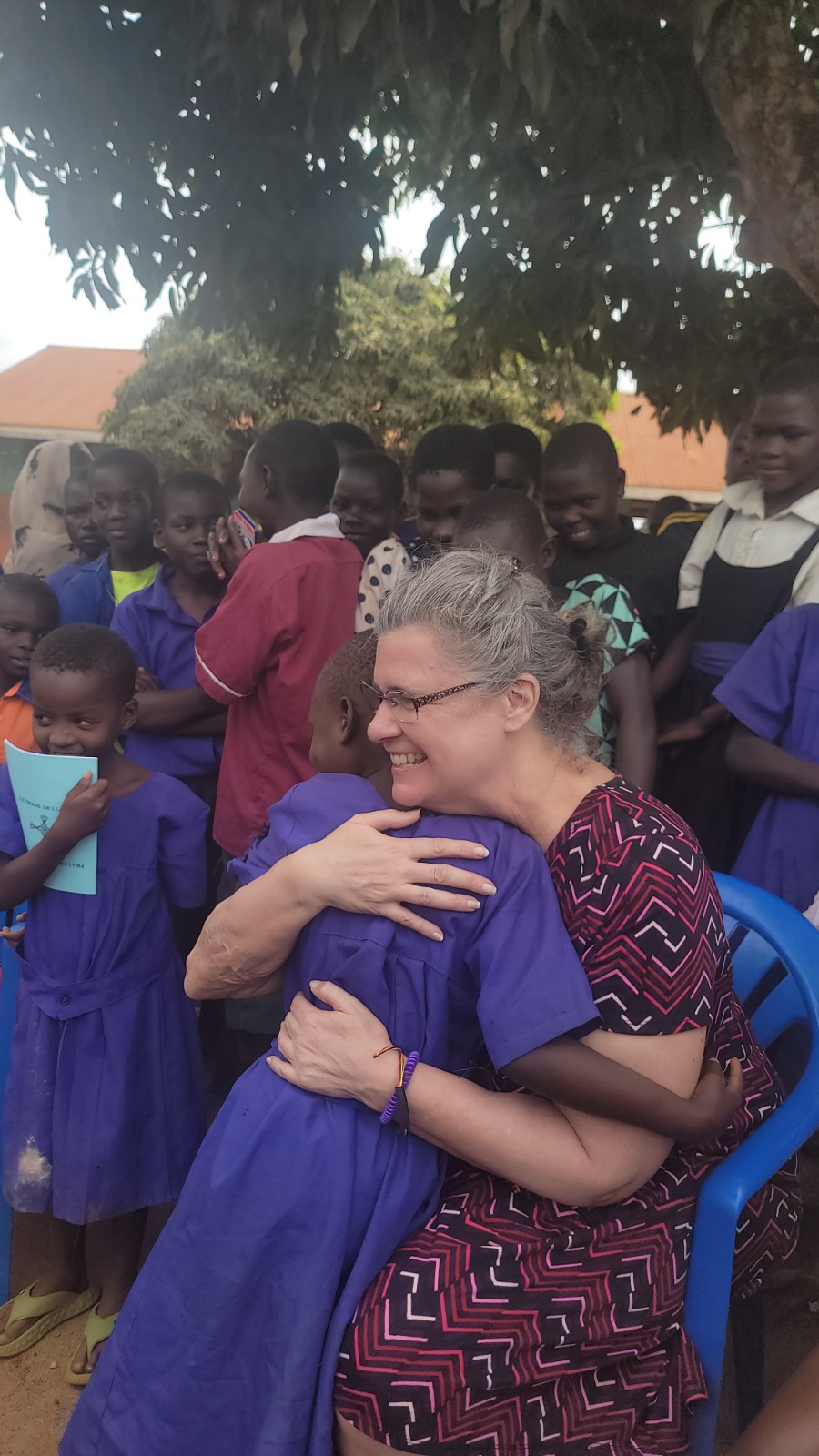
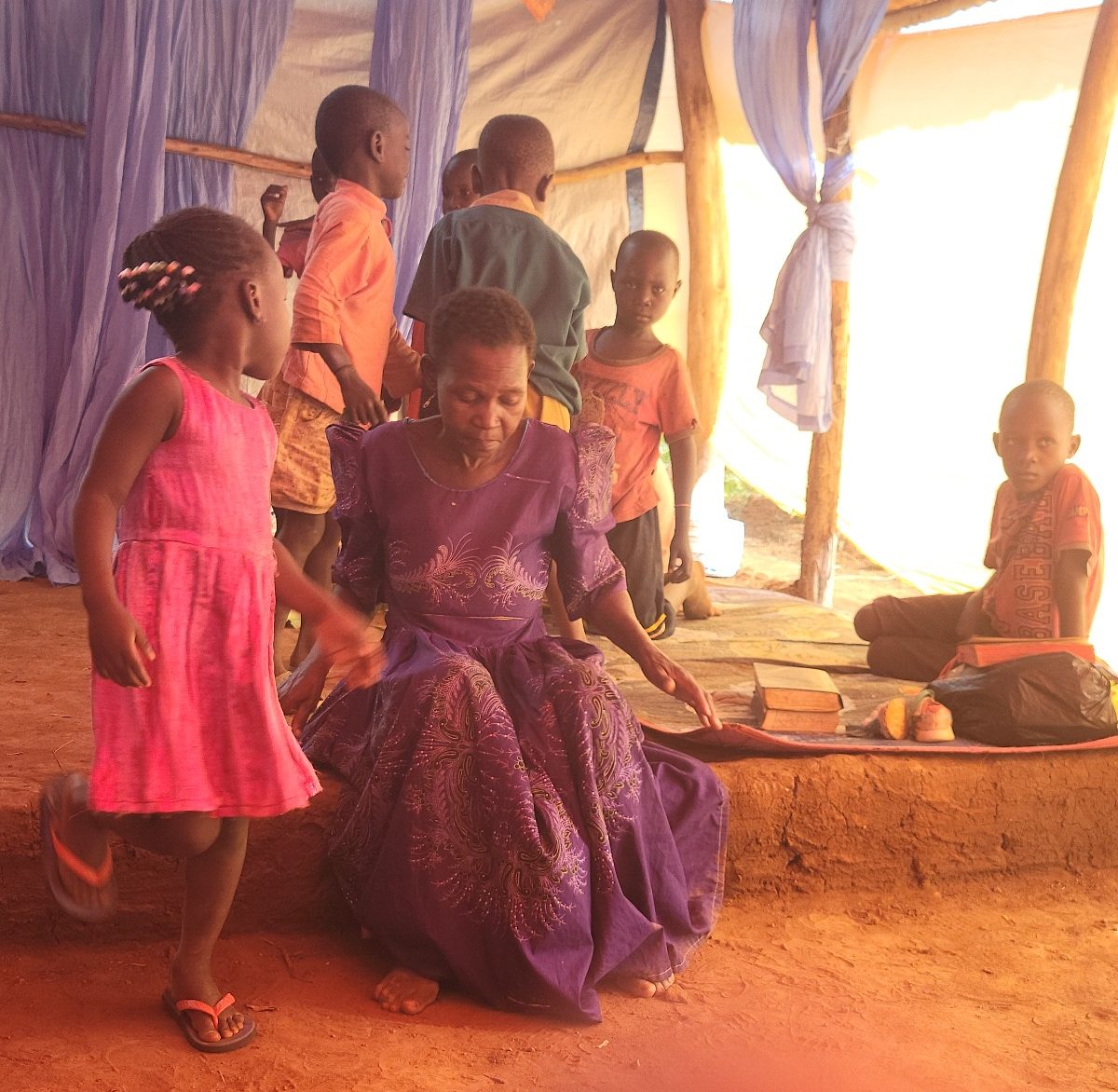
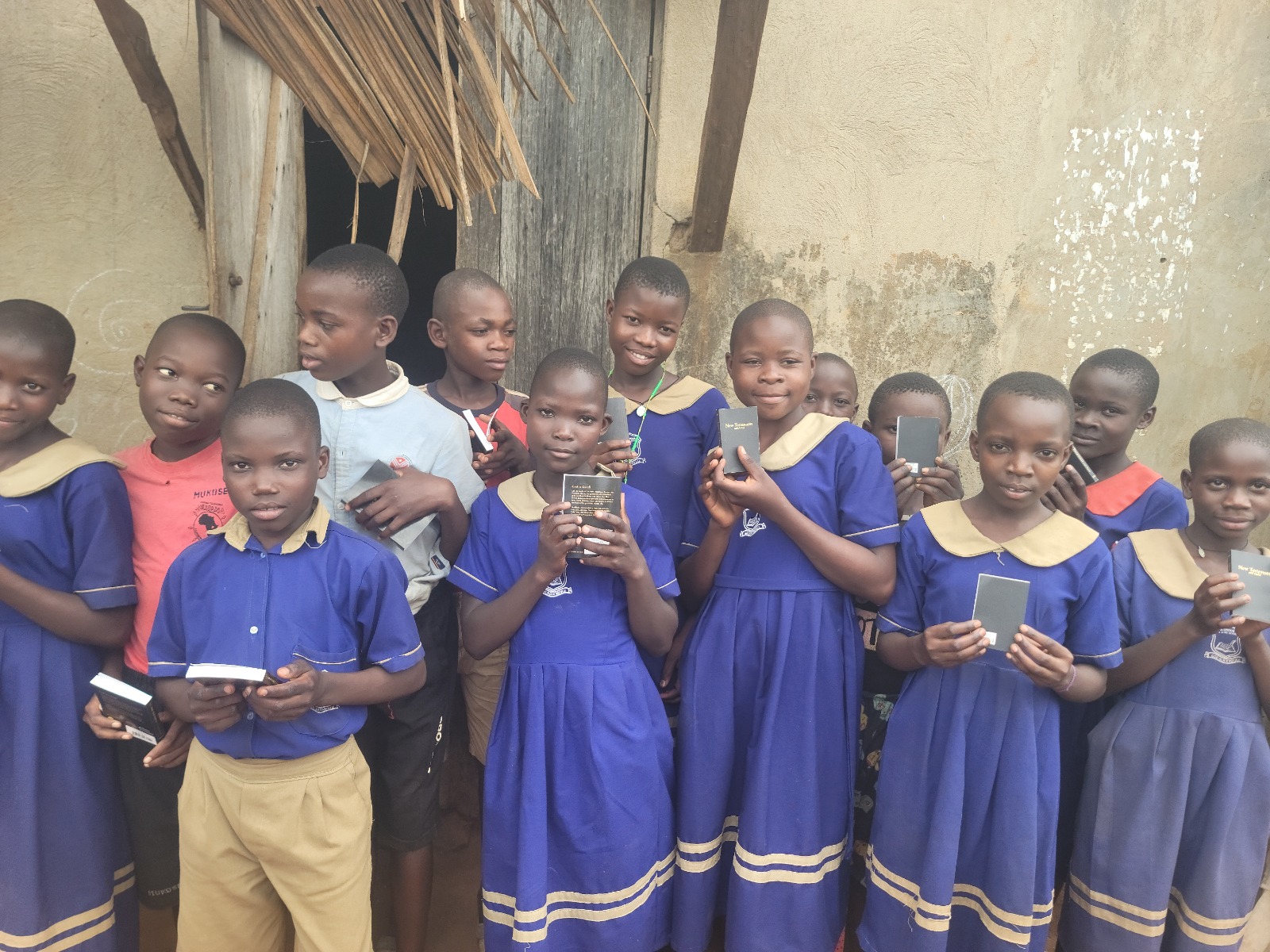
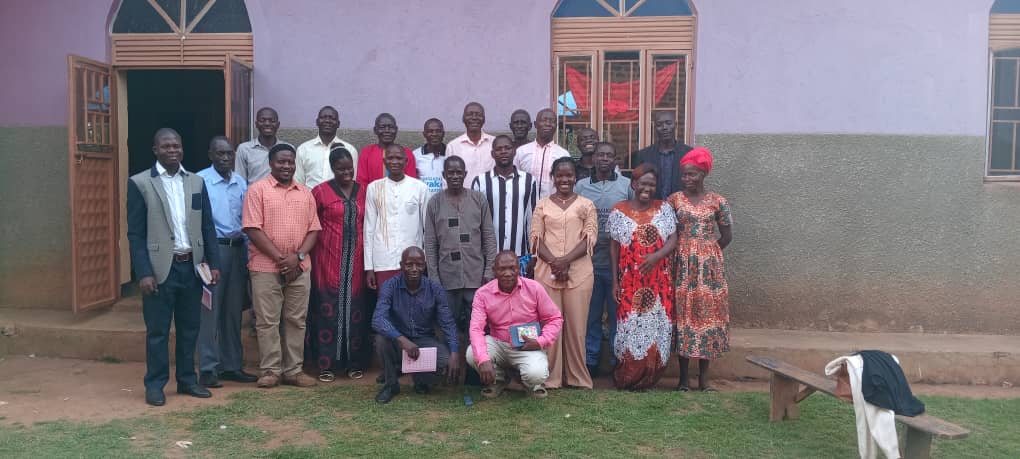
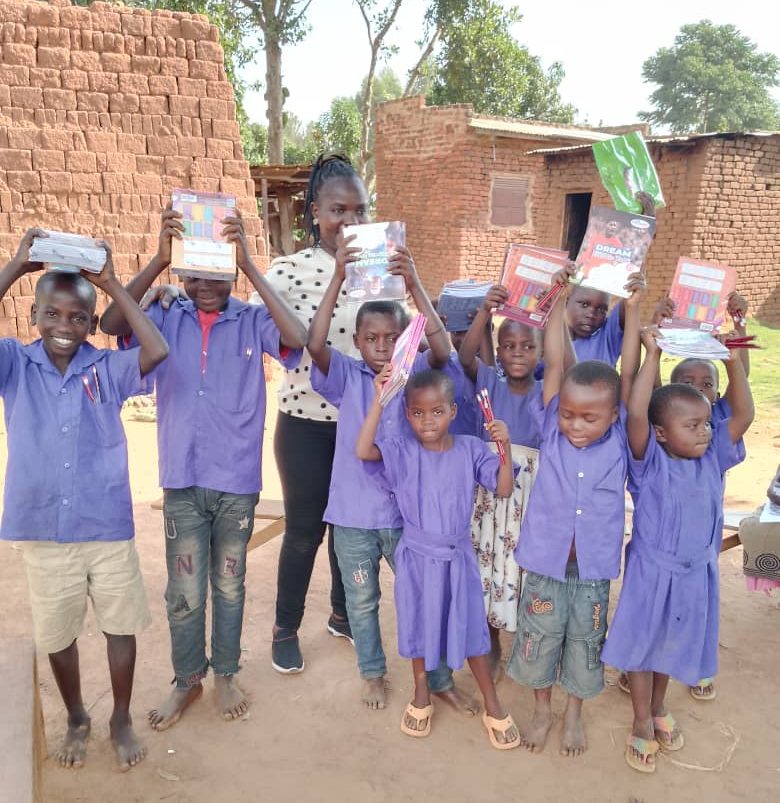
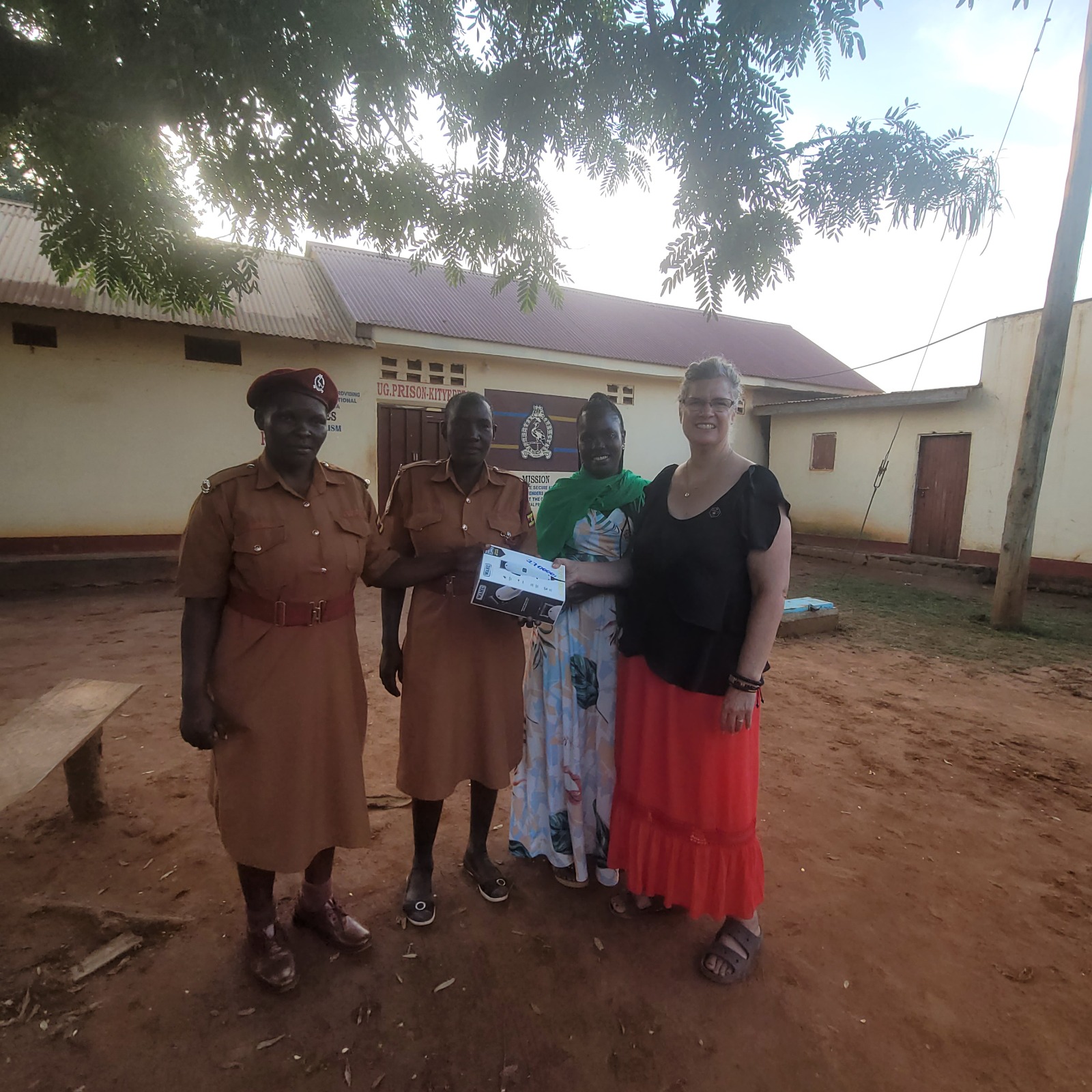
These photographs were taken during one of our prison ministry visits.
When I look at them, I am reminded that ministry does not always happen in comfortable places.
Sometimes it happens behind gates and walls.
Sometimes it happens where people feel forgotten.
And sometimes that is exactly where encouragement is needed most.
WE COME WITH THE GOSPEL — AND WE COME WITH PRACTICAL HELP

Our prison ministry is centered on sharing the Gospel, praying with people, and offering spiritual encouragement.
But we also believe compassion should be practical.
So when we visit, we try to bring basic personal-care supplies that prisoners can actually use.
Soap.
Toothbrushes.
Toothpaste.
Shaving machines.
Lotions.
Bibles.
These may sound like ordinary items.
For many of us, they are things we buy without thinking twice.
But when you have very little control over your circumstances, even a bar of soap or a toothbrush can carry meaning.
It says:
You have not been forgotten.
Your dignity still matters.
Someone cares enough to show up.
And sometimes the smallest practical gift creates an opportunity for a much bigger conversation.
A conversation about faith.
About forgiveness.
About repentance.
About hope.
About what comes next.
EVERY VISIT REMINDS ME THAT A PERSON IS MORE THAN THEIR PAST
Prison ministry has taught me something important.
It is easy to look at someone through the label attached to them.
“Prisoner.”
“Inmate.”
“Offender.”
But when you sit with people, pray with them, listen to them, and speak to them face-to-face, those labels begin to disappear.
You see a person.
Someone’s son.
Someone’s daughter.
Someone’s father.
Someone’s mother.
Someone who has regrets.
Someone who may be afraid.
Someone who may be wondering whether their life can ever mean something again.
Our role is not to excuse wrongdoing or pretend consequences do not matter.
Our role is to remind people that accountability and hope can exist at the same time.
That a person can face the consequences of the past and still choose a different future.
That redemption is still possible.
That faith can still begin in a place most people would never think to look for it.
SOME PEOPLE CHOOSE FAITH
One of the most moving parts of these visits is seeing people respond to the message we share.
Not everyone will.
And we never want faith to be something forced or manufactured.
But during these visits, there are often individuals who choose to pray, who ask for spiritual guidance, or who make a personal decision to follow Christ.
Those moments mean a great deal to us.
Because when someone is behind prison walls, it can be easy to believe their story has already been written.
Faith tells them something different.
Their circumstances may be restricted.
Their future may be uncertain.
But their heart, their choices, their relationship with God, and the person they become are still matters of profound importance.
That is why we continue going back.
A BIBLE CAN BECOME A COMPANION
Giving someone a Bible in prison is different from simply placing a book in their hands.
For someone with long hours and limited resources, it can become something they return to again and again.
Something to read.
Something to study.
Something to pray through.
Something that speaks about forgiveness, responsibility, suffering, mercy, transformation, and hope.
We want people who are interested in growing in their faith to have something they can continue using after we leave.
Because our visit might last only a few hours.
The Bible stays.
The toiletries get used.
The conversations remain.
And hopefully the message remains too:
Your life still has value.
THIS, TOO, IS PART OF ADVANCING AND UPLIFTING HUMANITY
When people hear the name Advancing and Uplifting Humanity, they may think first about the water wells we drill.
And clean water is a huge part of our mission.
But humanity exists everywhere.
In villages.
In schools.
In churches.
In vulnerable households.
And yes, inside prisons.
To uplift humanity means remembering the people society can easily overlook.
It means helping children.
Supporting families.
Providing clean water.
Helping communities produce food.
Distributing Bibles.
Supporting education.
And sometimes walking through a prison gate carrying soap, toothbrushes, toothpaste, shaving supplies, lotion, and Scripture.
Different setting.
Same principle.
See the person.
Respect their humanity.
Meet a practical need where you can.
Offer hope without judgment.
YOU CAN HELP US KEEP SHOWING UP
Every prison ministry visit requires resources.
Every Bible has to be purchased or donated.
Every toothbrush, tube of toothpaste, bar of soap, bottle of lotion, and shaving item has to come from somewhere.
Travel costs money.
Outreach costs money.
And every additional contribution allows us to reach more people with both practical assistance and spiritual encouragement.
When you support Advancing and Uplifting Humanity, you help make ministry like this possible alongside our clean-water, education, food-support, hygiene, and community-development work.
If you are eligible under applicable tax rules, your charitable contribution to a qualifying nonprofit may also be tax-deductible. Your individual tax situation will determine any specific benefit, so please consult your tax professional.
But I hope the reason you give goes beyond a deduction.
Give because there are human beings behind those walls.
Give because dignity should not disappear when someone enters a prison.
Give because a toothbrush can be practical help, a Bible can offer spiritual encouragement, and a visit can remind someone that the world has not completely forgotten them.
Give because people can change.
Give because hope still matters.
And give because advancing humanity means believing that no human being should be reduced to only the darkest chapter of their story.
Help us continue this prison ministry.
Help us put practical necessities into people’s hands.
Help us bring Bibles, encouragement, prayer, and hope into places where they are deeply needed.
Help us uplift humanity.
Help us advance humanity.
With love and gratitude,
Mary
Advancing and Uplifting Humanity