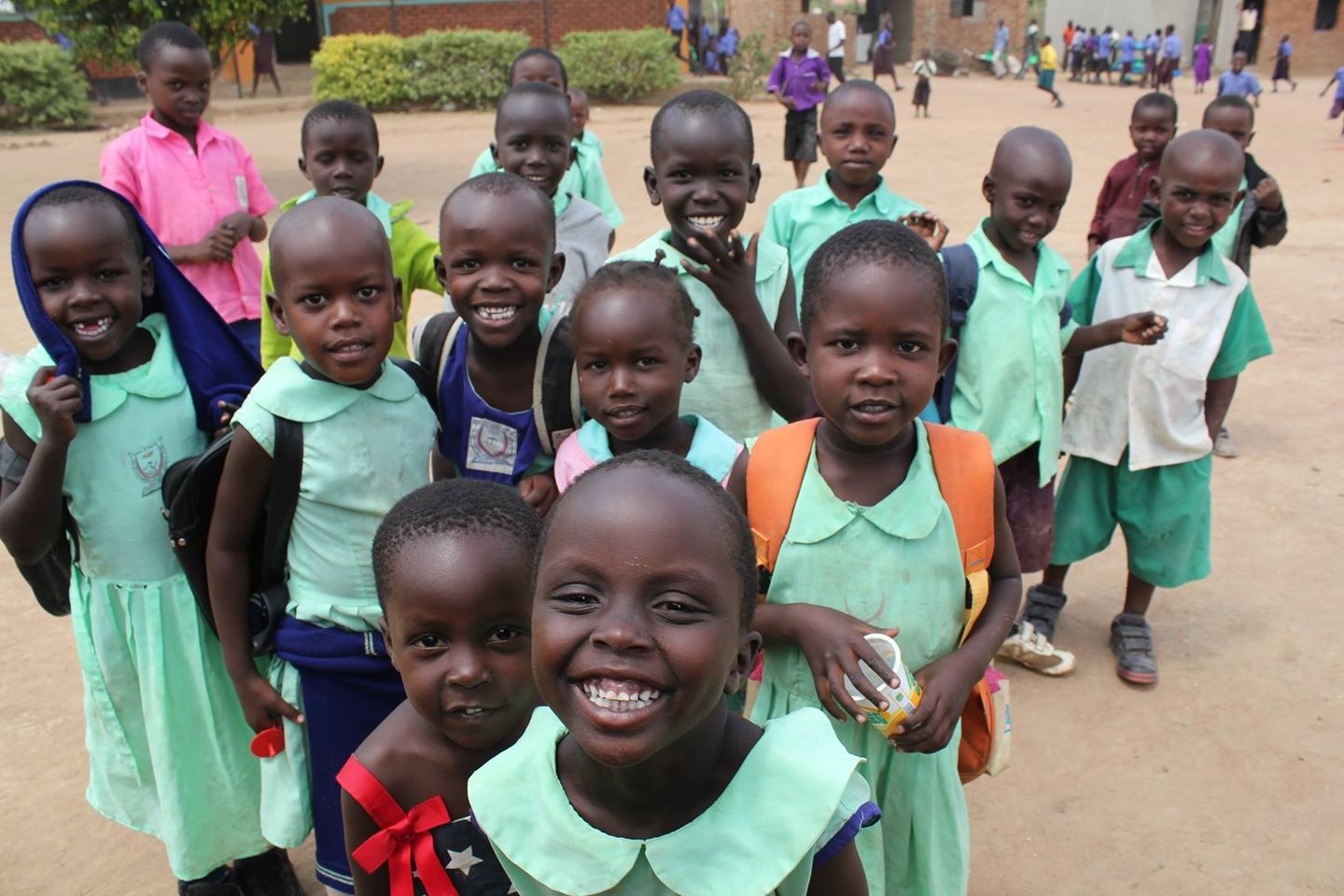

For many girls in Uganda, staying in school depends on more than having a classroom, a teacher, and books. It also depends on something far more basic: access to clean water and safe sanitation.
When schools lack reliable water, girls are often among the first to feel the consequences. Time spent fetching water, difficulty managing menstruation, poor sanitation, and water-related illness can all interfere directly with attendance and learning. UNICEF Global
Water Collection Takes Girls Out of Class
In schools without a nearby water source, students may be sent to collect water for drinking, cooking, cleaning, and washing.
UNICEF documented one Ugandan primary school where the nearest borehole was about four kilometres away. Pupils, especially girls, were sent to fetch water while lessons continued. By the time they returned, they had missed explanations and sometimes entire lessons. UNICEF Global
This means the cost of poor water access is measured not only in kilometres walked, but also in hours of education lost.
Bringing clean water onto school grounds can immediately give that time back to students.
Menstrual Hygiene Depends on Water
For adolescent girls, clean water is especially important during menstruation.
Without water, private washrooms, and appropriate sanitation facilities, managing a period at school can become difficult and embarrassing. Some girls leave school after soiling their uniforms, and some do not return for the rest of their menstrual period.
At Loodoi Primary School in Uganda, UNICEF reported that the introduction of water, girls’ washrooms, sanitation facilities, and menstrual hygiene support contributed to girls returning to school and improved attendance. UNICEF Global
At Aria Primary School, girls also reported that access to clean water and a school bathroom meant they no longer had to travel home during menstruation and miss the rest of the school day. UNICEF Global
Clean Water Creates a Better Learning Environment
Water also supports the everyday conditions children need in order to learn.
Schools need water for handwashing, toilets, cleaning classrooms, preparing meals, and drinking.
UNICEF Uganda notes that inadequate sanitation contributes to absenteeism and school dropout, particularly among girls. National guidance from Uganda’s Ministry of Education and Sports and UNICEF also identifies school WASH services as important for health, dignity, learning, menstrual hygiene management, and reducing the time students spend fetching water. UNICEF Global
When these facilities improve, the benefits can be visible in both attendance and enrolment.
UNICEF has reported increases in attendance and enrolment, especially among girls, at Ugandan schools where clean water and improved sanitation facilities were introduced. UNICEF Global
Why This Matters Beyond the Classroom
A girl who stays in school has more opportunity to continue learning, build confidence, develop skills, and prepare for adulthood.
But when water insecurity repeatedly interrupts her education, she can fall behind.
That is why clean water should not be viewed as separate from education.
A borehole, piped water system, handwashing station, or girls’ washroom is also educational infrastructure.
It helps remove practical barriers that can prevent girls from participating fully in school.
Our Approach
At Advancing and Uplifting Humanity, clean water and girls’ education are closely connected.
We support water projects alongside efforts such as menstrual hygiene assistance, school outreach, sanitation, and practical support for children.
The goal is not simply to provide water.
It is to create conditions where girls can remain in class, manage their hygiene with dignity, and continue learning without something as basic as water standing in their way.
Because sometimes helping a girl stay in school begins with giving her a safe place to turn on a tap.
Sources
Ministry of Education and Sports / UNICEF — National Micro Planning Handbook for WASH in Schools
UNICEF Uganda — Providing Water in Schools Boosts Learning and Attendance, Especially for Girls UNICEF Global
UNICEF Uganda — School Water Attracts Adolescent Girls to Stay and Complete School UNICEF Global
UNICEF Uganda — Having Access to Clean Water Helps Me Concentrate in School UNICEF Global
UNICEF Uganda — Water, Sanitation and Hygiene (WASH) UNICEF Global